|








VALENCIA TOMIKI AIKIDO




|
Website updated
04 Feb 2018
|
| |


| Ohayo gozaimasu |
Good morning |
| Kon' nichi wa |
Good afternoon |
| Konban wa |
Good evening |
| Oyasumi nasai |
Good night |
| Sayonara |
Good bye |
| Arigato |
Thank you (present, less polite) |
| Arigato gozaimasu |
Thank you (present) |
| Arigato gozaimashita |
Thank you (past) |
| Domo |
Thank you (present, less polite) |
| Domo arigato gozaimasu |
Thank you very much (present) |
| Domo arigato gozaimashita |
Thank you very much (past) |
|
|
| Sumimasen |
Excuse me/I am sorry (present/future) |
| Shitsurei shimasu |
Excuse me (present or future) |
| Shitsurei shimashita |
I am sorry / Excuse me (past) |
| Gomen nasai |
I am very sorry |
|
|
| ... kodasai |
Please |
| Dozo |
Go ahead. |
| Do itashimashite |
Do not mention it / you are welcome |
|
|
| Onegai shimasu |
Please |
| Yoroshiku onegai shimasu |
Please (polite) |
| Dozo yoroshiku onegai shimasu |
Please (very polite) |
| Hai |
Yes |
| Iie |
No |
|
|
| Nan desu ka ? |
What ? |
|
|
| O-genki desu ka ? |
How are you ? |
| Hai, genki desu. |
Yes, just fine. |
| Iie, genki de wa arimasen. |
No, not so good. |
|
|
| Ii desu ka ? |
Is it OK ? |
| Hai, ii desu. |
Yes, it is OK. |
| Iie, ii de wa arimasen. |
No, it is not OK. |
|
|
| Wakarimasu ka ? |
(Do you) understand ? |
| Hai, wakarimasu |
Yes, (I) understand. |
| Iie, wakarimasen |
No, (I) do not understand. |
|
|
| Wakarimashita ka? |
(Did you) understand ? |
| Hai, wakarimashita |
Yes, (I) understood. |
| Iie, wakarimasen deshita |
No, (I) did not understand. |
|
|
| Suwarimasu kodasai |
Please sit down |
| Suwarinasai |
Sit down |
| Tachinasai |
Stand up |
| Kaeshimasu |
To counter / reverse |
| Kirimasu |
To cut |
| Kerimasu |
To kick |
| Mawarimasu |
To turn/spin |
| Nagemasu |
To throw |
| Suwarimasu |
To sit |
| Tachimasu |
To stand |
| Tsukimasu |
To thrust |
| Uchimasu |
To strike |
| Ii / yoi |
Good |
| Tadashii |
Correct |
| Okii |
Big |
| Chiisai |
Small |
| Abunai |
Dangerous |
| Subarashii |
Outstanding |
| Genki |
Healthy / energetic |
| Dame |
Wrong / bad |
| Warui |
Bad |
| Totemo |
Very ... |
| Mae |
Front |
| Ushiro |
Behind |
| Migi |
Right |
| Hidari |
Left |
| Yoko |
Side |
| Uchi |
Inside |
| Soto |
Outside |
| Ue |
Above |
| Shita |
Below |
| Omote |
Front, positive |
| Ura |
Reverse, negative, outside |
| Gyaku |
Reverse |
| Gaeshi |
To reverse |
| Ryo |
Both |
| Renzoku |
Combination / continuos |
| Nagare |
Flow |
| Irmi |
To enter, entering |
| Kaiten |
Rotation / spin |
| Musubi |
Uniting, bonding |
| 0. zero / rei |
0. Zero |
| Nibun |
Half |
| Yombun |
Quater |
| Happun |
One eight |
| 1/2 nibun no ichi |
1/2 one half |
| 1/4 yombun no ichi |
1/4 one quater |
| 1/8 happun no ichi |
1/8 one eight |
|
|
| 1. Ichi |
1. One |
| 2. Ni |
2. Two |
| 3. San |
3. Three |
| 4. Shi / Yon |
4. Four |
| 5. Go |
5. Five |
| 6. Roku |
6. Six |
| 7. Shichi / Nana |
7. Seven |
| 8. Hachi |
8. Eight |
| 9. Kyu / Ku |
9. Nine |
| 10. Ju |
10. Ten |
| 11. Ju-ichi |
11. Eleven |
| 12. Ju-ni |
12. Twelve |
| 13. Ju-san |
13. Thirteen |
| 14. Ju-shi / Ju-yon |
14. Fourteen |
| 15. Ju-go |
15. Fifthteen |
| 16. Ju-roku |
16. Sixteen |
| 17. Ju-shichi / Ju-nana |
17. Seventeen |
| 18. Ju-hachi |
18. Eighteen |
| 19. Ju-kyu /Ju-ku |
19. Ninteen |
| 20. Ni-ju |
20. Twenty |
| 21. Ni-ju-ichi |
21. Twentyone |
| 22. Ni-ju-ni |
22. Twentytwo |
| 23. Ni-ju-san |
23. Twentythree |
| 24. Ni-ju-shi / Ni-ju-yon |
24. Twentyfour |
| 25. Ni-ju-go |
25. Twentyfive |
| 26. Ni-ju-roku |
26. Twentysix |
| 27. Ni-ju-shichi / Ni-ju-nana |
27. Twentyseven |
| 28. Ni-ju-hachi |
28. Twentyeight |
| 29. Ni-ju-kyu / Ni-ju-ku |
29. Twentynine |
| 30. San-ju |
30. Thirty |
| 31. San-ju-ichi |
31. Thirtyone |
|
|
| 10. Ju |
10. Ten |
| 20. Ni-ju |
20. Twenty |
| 30. San-ju |
30. Thirty |
| 40. Yon-ju |
40. Fourty |
| 50. Go-ju |
50. Fifthty |
| 60. Roku-ju |
60. Sixty |
| 70. Nana-ju |
70. Seventy |
| 80. Hachi-ju |
80. Eighty |
| 90. Kyu-ju |
90. Ninety |
| 100. Hyuaku |
100. One hundred |
| -san |
Mr/Mrs |
| -sensei, Sensei |
Teacher / Instructor |
| Shihan |
Master instructor |
| O´Sensei |
The founder, the great master - Morihei Ueshiba |
| Deshi |
Student |
| Uchideshi |
Student living at the dojo |
| Sotedeshi |
Student living in town |
| Shoshinsha |
Beginner |
| Kohai |
Younger student |
| -senpai, Senpai / -sempai, Sempai |
Senior student |
| Yudansha |
Person holding black belt rank. |
|
|
| Aite |
Partner |
| Tori |
Partner performing the technique |
| Nage |
Partner performing a throw |
| Uke |
Partner recieving the technique |
| Uchi-tachi |
Partner attacking with sword |
| Uke-tachi |
Partner defending with sword |
|
|
| Kyu |
Kyu rank |
| Nan kyu ? |
What Kyu ? |
| Rokkyu |
6th Kyu |
| Go kyu |
5th Kyu |
| Yon kyu |
4th Kyu |
| San kyu |
3rd Kyu |
| Ni kyu |
2nd Kyu |
| Ikkyu |
1st Kyu |
|
|
| Dan |
Dan rank |
| Nan dan ? |
What Dan ? |
| Shodan |
1st Dan |
| Ni dan |
2nd Dan |
| San dan |
3rd Dan |
| Yon dan |
4th Dan |
| Go dan |
5th Dan |
| Roku dan |
6th Dan |
| Shichi dan |
7th Dan |
| Nana dan |
7th Dan |
| Hachi dan |
8th Dan |
| Kyu dan |
9th Dan |
| Ju dan |
10th Dan |
| Karada |
Body |
| Hone |
Bone |
| Atama |
Head |
| Men |
Face, head |
| Kami no ke / Kami |
Hair |
| Hitai |
Forehead |
| Me |
Eyes |
| Mayu / Mayuge |
Eyebrow |
| Matsuge |
Eyelash |
| Mimi |
Ears |
| Hana |
Nose |
| Kuchi |
Mouth |
| Kuchibiru |
Lip |
| Hoho |
Cheek |
| Ago |
Chin/jaw |
| Ha |
Tooth |
| Nodo |
Throat |
| Kubi |
Neck |
| Ude |
Arms |
| Kata |
Shoulder |
| Waki no shita |
Armpit |
| Hiji |
Elbow |
| Tekubi, kote |
Wrist |
| Te |
Hand |
| Teganatana |
"Sword edge" of the hand, from the little finger to
the wrist |
| Yubi |
Finger |
| Tsume |
Nails |
| Oyayubi |
Thumb |
| Hitosashiyubi |
Forefinger |
| Nakayubi |
Middle finger |
| Kusuri yubi |
Third finger |
| Koyubi |
Little finger |
| Mune |
Chest |
| Onaka |
Stomach |
| Naizo |
Internal organs |
| Konjo |
Guts |
| Tanden |
Center, Energy center in lower abdomen |
| Hara |
Belly |
| Senaka |
Back |
| Koshi |
Hips |
| Kinteki |
Groin |
| Shiri |
Buttock |
| Ashi |
Legs |
| Momo |
Thigh |
| Hiza |
Knee |
| Ashi |
Foot |
| Ashikubi |
Ankles |
| Ashiyubi |
Toes |
| Sumasaki |
Tips of the toes |
| Kakato |
Heel |
| Do |
Path, way |
| Budo |
Way of the warrior |
| Bujin |
Warrior |
| Budo-ka |
Student of Budo |
| Ai |
Harmony, joining |
| Ki |
Energy, intention, force, life force/energi, spirit |
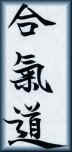
| Aikido |
Way of harmony with the spirit of the universe |
| Aikido-ka |
Aikido student |
|
|
| Dojo |
"The place of the way" or "Place of enlightment".
Often translated as training facility. |
| Shomen |
The front of the dojo |
| Shinza / Kamiza |
Dojo altar |
| Rei |
Bow |
| Reigi |
Ettiquette |
|
|
| Dogu |
Training equipment |
| Dogi / gi |
Uniform |
| Obi |
Belt |
| Hakkama |
Traditional pant-like skirt |
| Zori |
Sandals |
| Keiko |
Practice / training |
| Kakeri-geiko |
Attacking practice |
| Enbukai |
Demonstration |
| Gasshuku |
Training camp |
| Kata |
Preset form |
| -jutsu, -waza |
Technique |
| -dori, -tori |
Technique |
| -nage |
Throwing technique |
| Taijutsu |
Body technique |
| Suwariwaza |
Seated technique |
| Tachiwaza |
Standing technique |
| Ukemiwaza |
Technique for breaking a fall |
| Hamni handachi waza |
Standing against seated technique |
| Kaeshiwaza |
Countering technique |
| Jiyu-waza |
Free style practice |
| Randori |
Free style practice, Multiple person attack. |
| Bukiwaza |
Weapon technique |
| Ken |
Sword |
| Bokken |
Wooden sword |
| Aiki-ken |
The sword of Aikido |
| Jo |
Staff |
| Aiki-jo |
The jo of Aikido |
|
|
| Shiho-giri |
To cut / strike / thrust in four directions |
| Happo-giri |
To cut / strike / thrust in eight directions |
| Suburi |
Single person basic weapons practice |
| Jo-suburi |
Basic practice with staff, twenty basic movements |
| Bokken-suburi |
Basic practice with sword, seven different basic movements |
| Kumi-tachi |
Advanced sword practices with partner |
| Kumi-jo |
Advanced staff practices with partner |
| Ken-tai-jo |
Advanced combined sword and staff practices with partner |
| Jo-dori |
Unarmed defense against staff attack. Unarming the oppent and
taking the staff. |
| Jo-nage |
Throwing techniques using staff |
| Tachi-dori |
Unarmed defense against sword attack. Unarming the oppent and
taking the sword. |
| Tanto |
Knife (wooden knife in practice) |
| Tanto-dori |
Unarmed defense against knife attack. Unarming the oppent and
taking the knife. |
|
Positions and Termonology |
| Suwari |
Seated |
| Seiza |
Sitting on both knees |
| Anza |
Sitting with legs crossed |
| Hanza |
Sitting on one knee |
|
|
| Tachi |
Stance |
| Kamae |
Posture, attitude |
| Ken-no-kamae |
The posture of the sword |
| Tsuki-no-kamae |
The posture for thrust, used in Aiki-jo |
| Hasso-no-kamae |
"The figure eight position". The posture with the
weapon high above your head next to the right shoulder, used in
Aiki-jo |
| Hanmi |
Standing posture exposing only half the body |
|
|
| Ma-ai |
Distance and timing. The distance where one step/attack can be
performed to reach the opponent. |
| Zenshin |
Preparatory mind, before technique |
| Tsushin |
Active mind, performing technique |
| Zanshin |
Post-action mind, after technique. Unbroken sprit |
| Kokyu |
Breathing |
| Kokyu-ryoku |
The power hardness through practice of kokyu |
| Ki-ai |
Sprit yell, harmonizing energy |
|
|
| Taisabaki |
Body movement |
| Shikko |
Kneeling movement |
| Ukemi |
"Receiving with/through the bode". To break a fall |
| Mae ukemi |
Roll-fall / Break-fall forward |
| Ushiro ukemi |
Roll-fall / Break-fall backwards |
|
|
| Suki |
Gap or opening for an attack / technique |
| Atemi |
Attack to vital points |
| Uchi |
A strike |
| Tsuki |
A thrust |
| Keri |
A Kick |
| Suwariwaza |
Seated technique |
| Hamni-handachi-waza |
Standing against seated technique |
| Ai-hanmi |
Same posture |
| Gyaku-hanmi |
Reverse posture |
| Kosadori, Katate-dori-hantai, Gyaku te-dori |
Cross hand grab (opposite side) |
| Katate-dori |
Wrist grab (same side) |
| Kata-dori |
Shoulder grab |
| Morote-dori |
Both hands grabbing one wrist |
| Ryo-kata-dori |
Shoulder grab on both shoulders |
| Ryote-dori |
Wrist grab on both wrist |
| Sode-dori |
Sleeve grab (at elbow level) |
| Sodeguchi-dori |
Cuff grab |
|
|
| Muna-dori |
Grip at the chest |
| Ushiro dori |
Rear bear hug |
| Ushiro ryote-dori |
Grip on both wrists from behind |
| Ushiro ryo-kata-dori |
Grip on both shoulders from behind |
| Ushiro eri-dori |
Collar grap |
| Ushiro kubi-shime / Ushiro muna-dori |
Choking with one hand around the neck from behind |
| Men-uchi |
Strike to the face / head using the teganatana (edge of the
hand) |
| Shomen-uchi |
Strike to the top of the head using the teganatana (edge of
the hand) |
| Yokomen-uchi |
Strike to the side of the head using the teganatana (edge of
the hand) |
| Men-tsuki |
Strike / thrust to the face / head |
| Mune-tsuki |
Strike / thrust to the chest |
|
|
| Katate-dori men-uchi |
Wrist grip and strike to the face / head using the teganatana
(edge of the hand) |
| Kata-dori men-uchi |
Shoulder grip and strike to the face / head using the
teganatana (edge of the hand) |
| Katate-dori men-tsuki |
Wrist grip and strike / thrust to the chest |
| Kata-dori men-tsuki |
Shoulder grip and strike / thrust to the chest |
| Mae geri |
Front kick |
| Mawashi geri |
Spinning kick |
| Yoku geri |
Side kick |
| Jodan |
Upper area of body (neck up) |
| Chudan |
Middle area of body (neck to beltline) |
| Gedan |
Lower area of body (below belt) |
| Tai-no-henko |
Basic blending practice, body turn |
| Kokyu-ho |
Breath exercise |
| Ikkyo |
First pinning technique |
| .. omote waza |
Front technique |
| .. ura waza |
Outside technique |
| Nikkyo |
Second pinning technique |
| .. omote waza |
Front technique |
| .. ura waza |
Outside technique |
| Sankyo |
Third pinning technique |
| .. omote waza |
Front technique |
| .. ura waza |
Outside technique |
| Yonkyo |
Forth pinning technique |
| .. omote waza |
Front technique |
| .. ura waza |
Outside technique |
| Gokkyo |
Fifth pinning technique |
| .. ura waza |
Outside technique |
| Rokkyo |
Sixth pinning technique |
| Kotegaeshi |
Wrist throw |
| Shiho-nage |
Throw in four directions |
| .. omote waza |
Front technique |
| .. ura waza |
Outside technique |
| Irmi-nage |
Entering technique |
| Tenchi-nage |
Heaven-and-earth throw |
| Kaiten-nage |
Circular / rotation throw |
| ... uchi kaiten |
Inside circle |
| ... uchi maware |
Inside turn/spin |
| ... soto kaiten |
Outside circle |
| ... soto maware |
Outside turn/spin |
| Koshi-nage |
Hip throw |
| Juji-garami, Juji-nage, Aya-dori |
Crossed-arm throw |
| Kokyu-nage |
Breath throw |
| Suwari kokyo-ho / Kokyo-dosa |
Seated kokyu exercise |
| Kihon |
Basic form |
| Awase |
Timing, moving together in one movement |
| Ki-no-nagare |
Flowing form, "with ki flowing" |
|
|
| Go-tai |
Basic form |
| Ju-tai |
Soft form |
| Ryu-tai |
Flowing form |
|
|
| Henka, Henka-waza |
Variation on technique |
| Oyo-waza |
Applied technique |
|